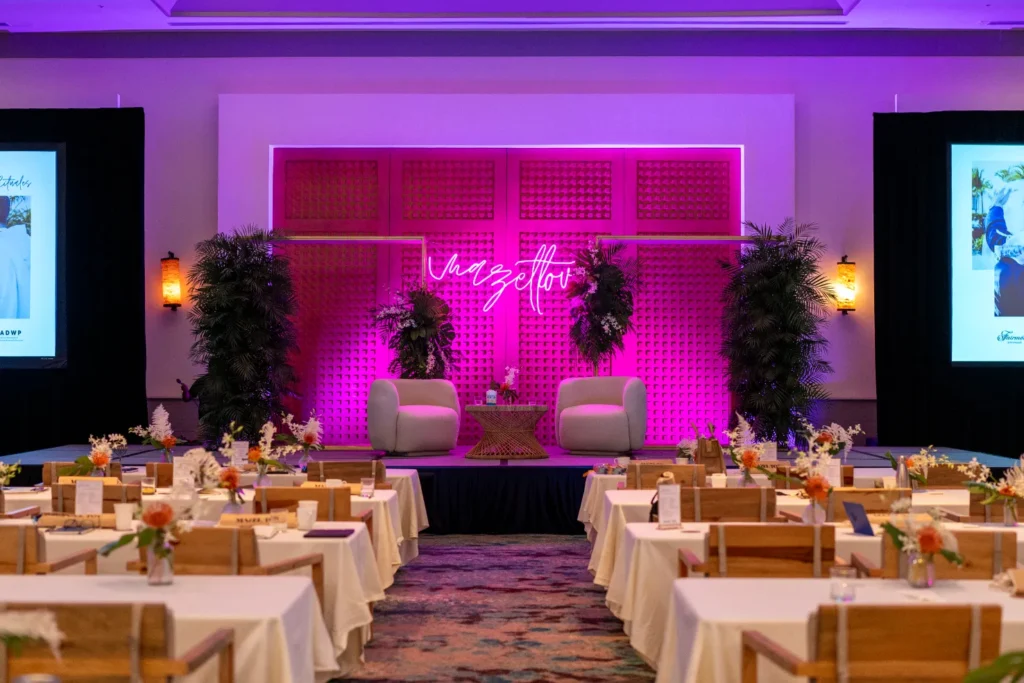
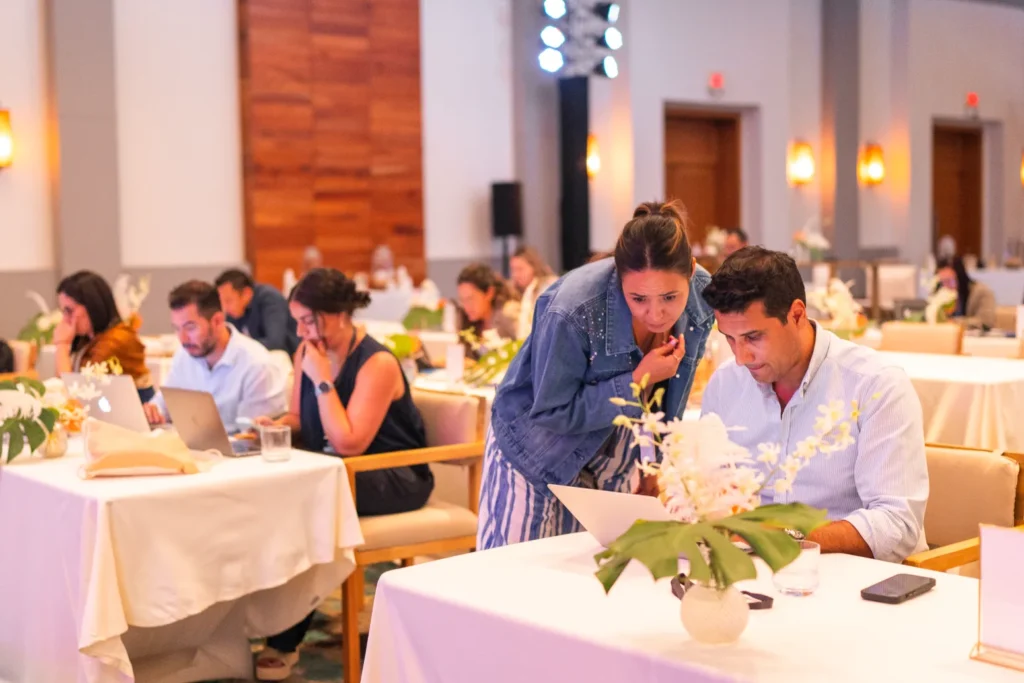
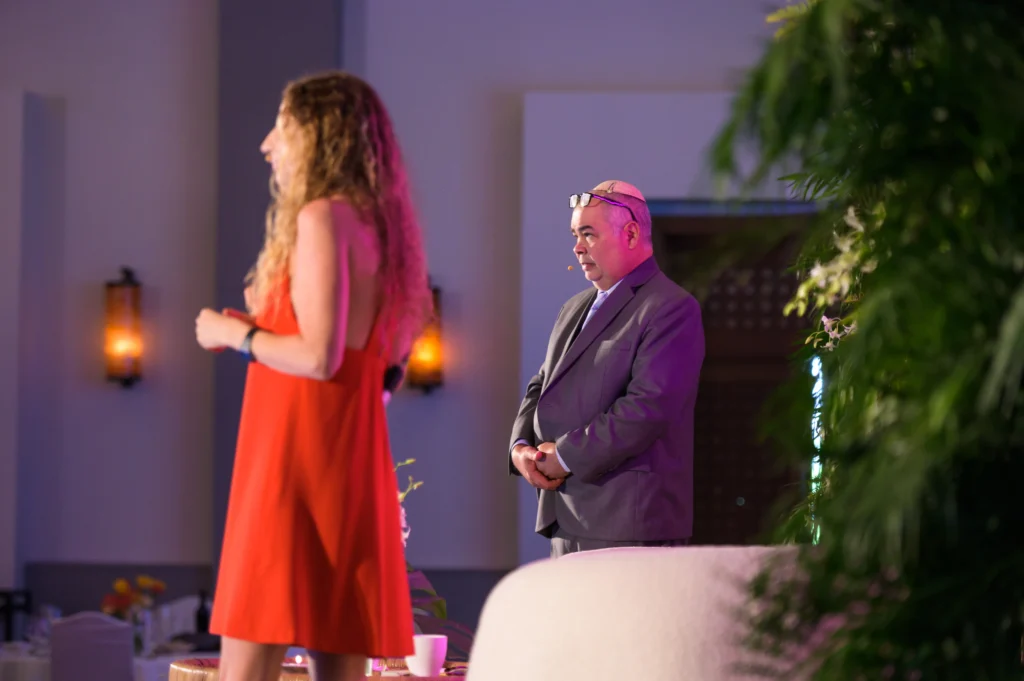
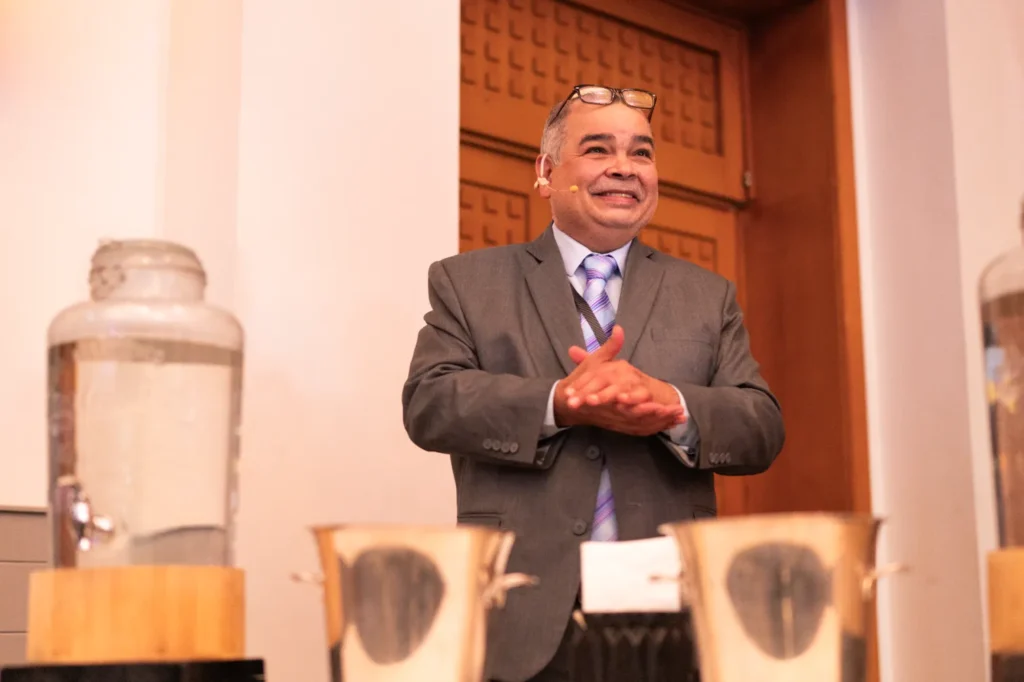
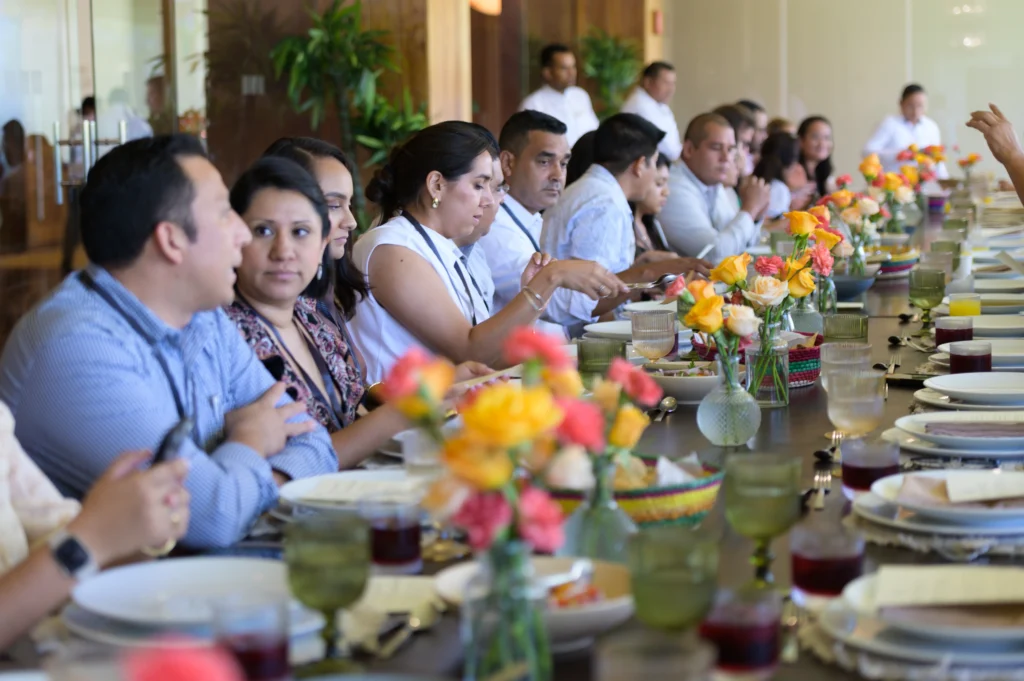
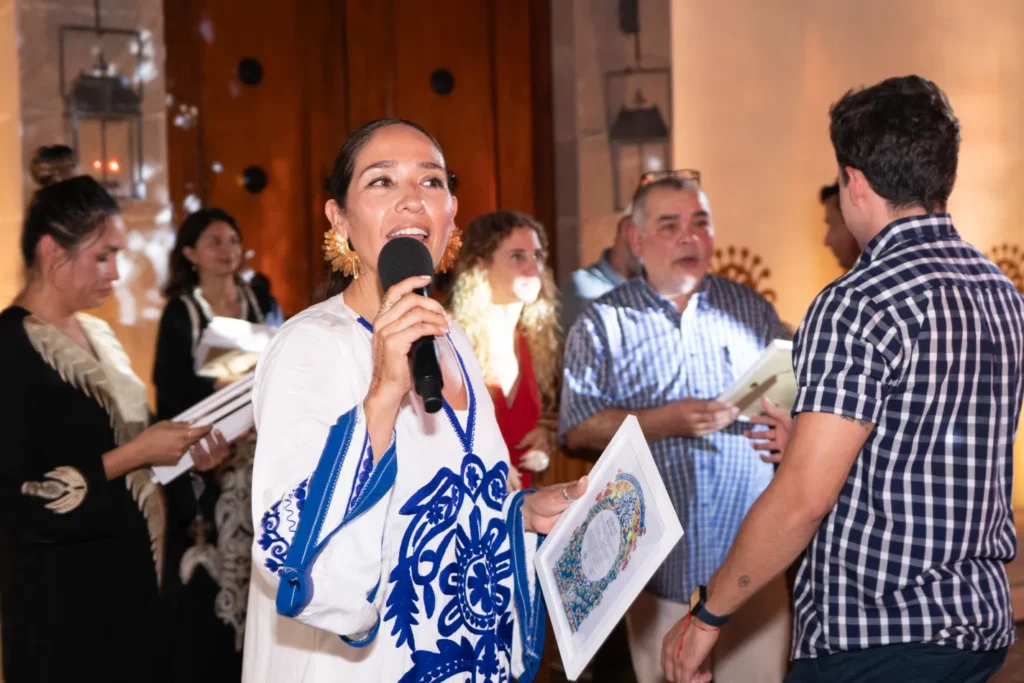
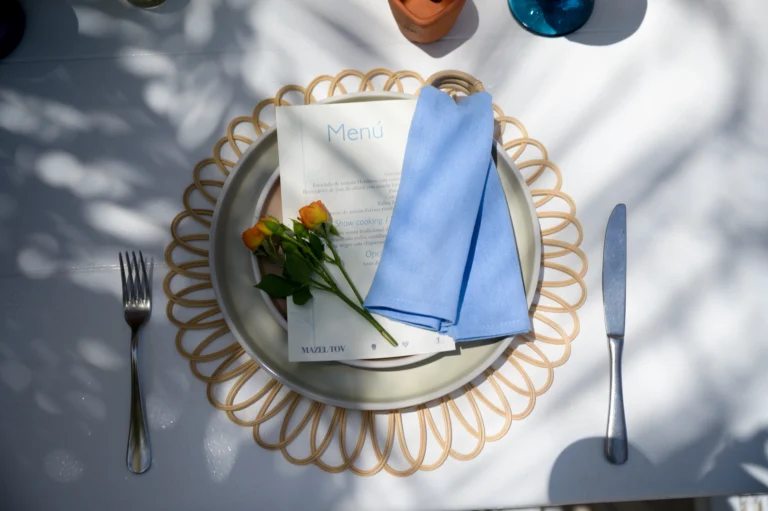
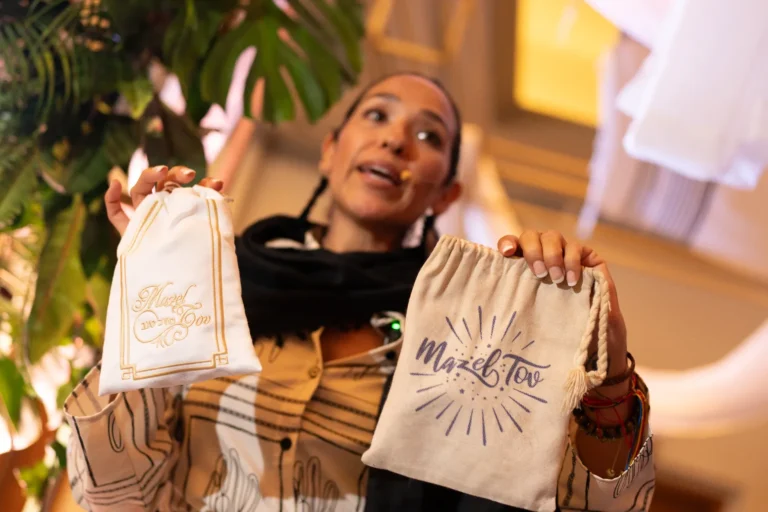
Attending the Mazeltov Jewish Wedding Certification in Mayakoba, Riviera Maya marked a turning point in my professional journey. As a destination wedding photographer, cultural understanding is essential. It directly shapes how we document meaningful moments and honor the traditions behind them.
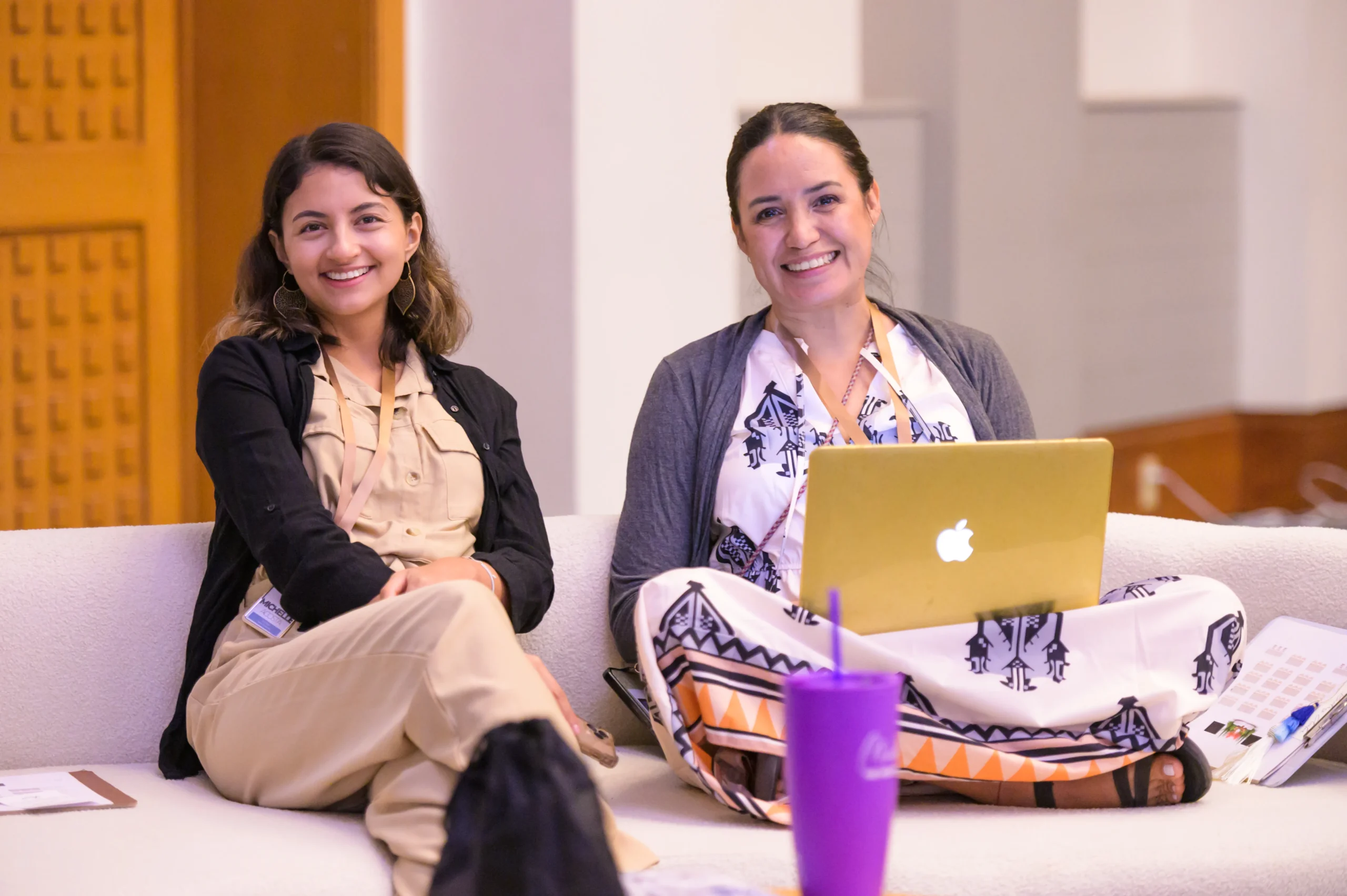
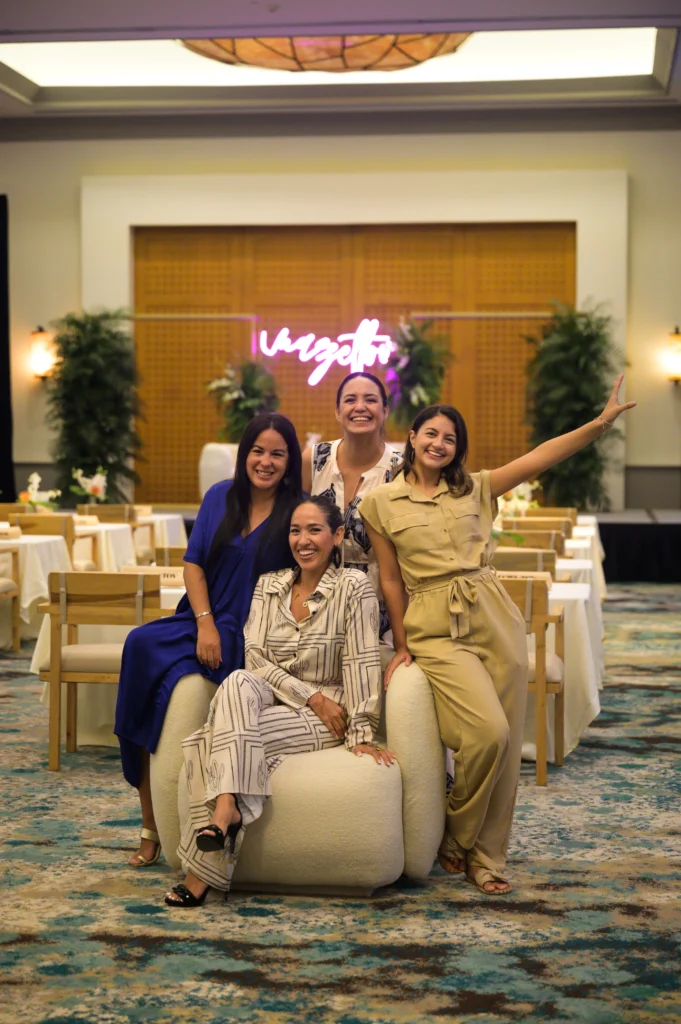
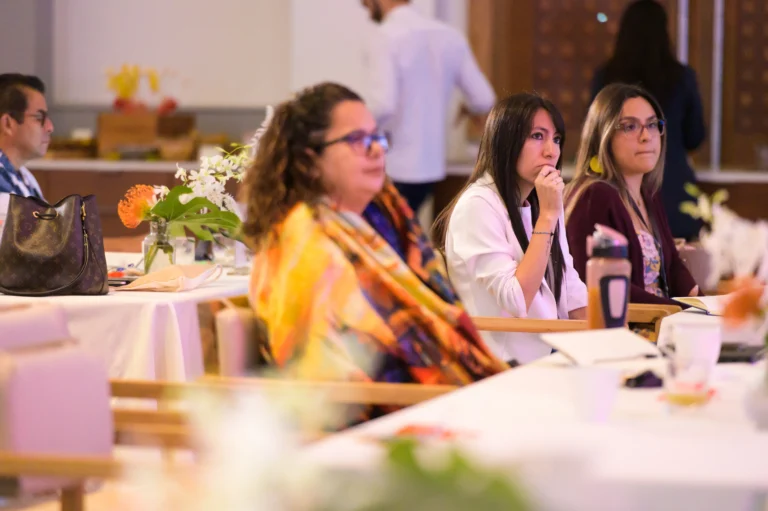
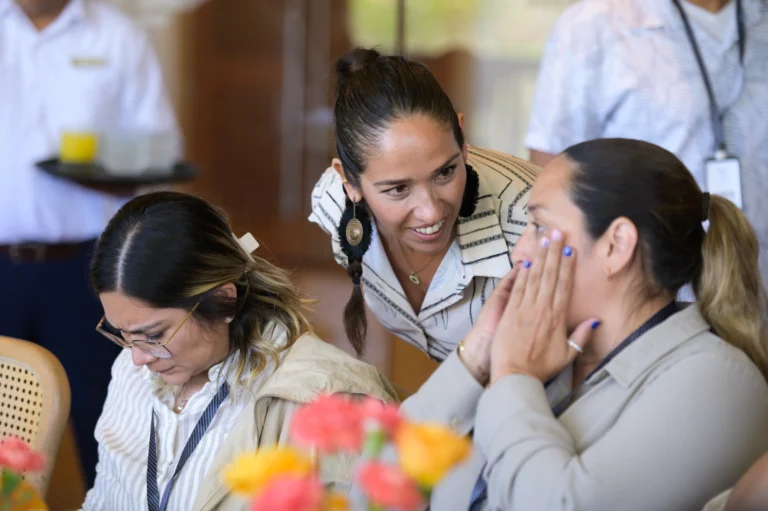
This certification gathered photographers, wedding planners, chefs, florists, musicians, and designers from around the world. Together, we shared a common goal: to elevate Jewish weddings through knowledge, respect, and collaboration.
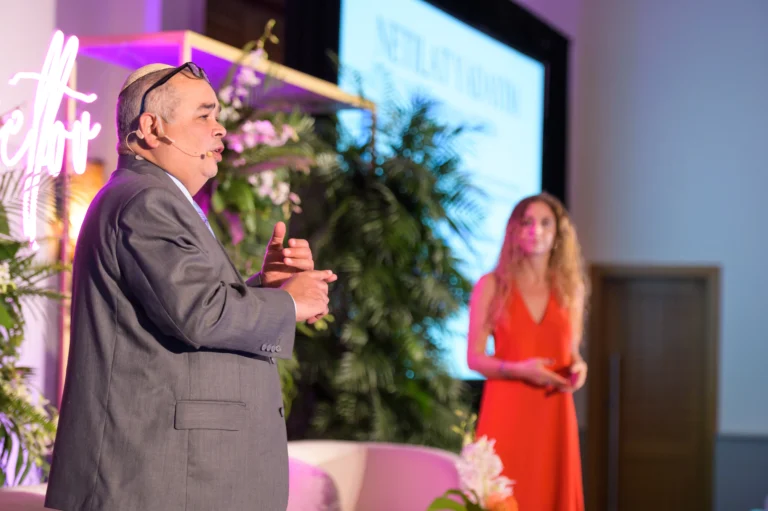
Under the guidance of Ary Ituralde, the program explored Jewish wedding traditions in depth. At the same time, it emphasized collaboration among vendors. When every professional understands the rituals, the wedding becomes more intentional and seamless. Below are some of the key lessons from this experience and how they shape my approach to Jewish destination wedding photography in Riviera Maya.
Understanding Key Moments in Jewish Wedding Ceremonies
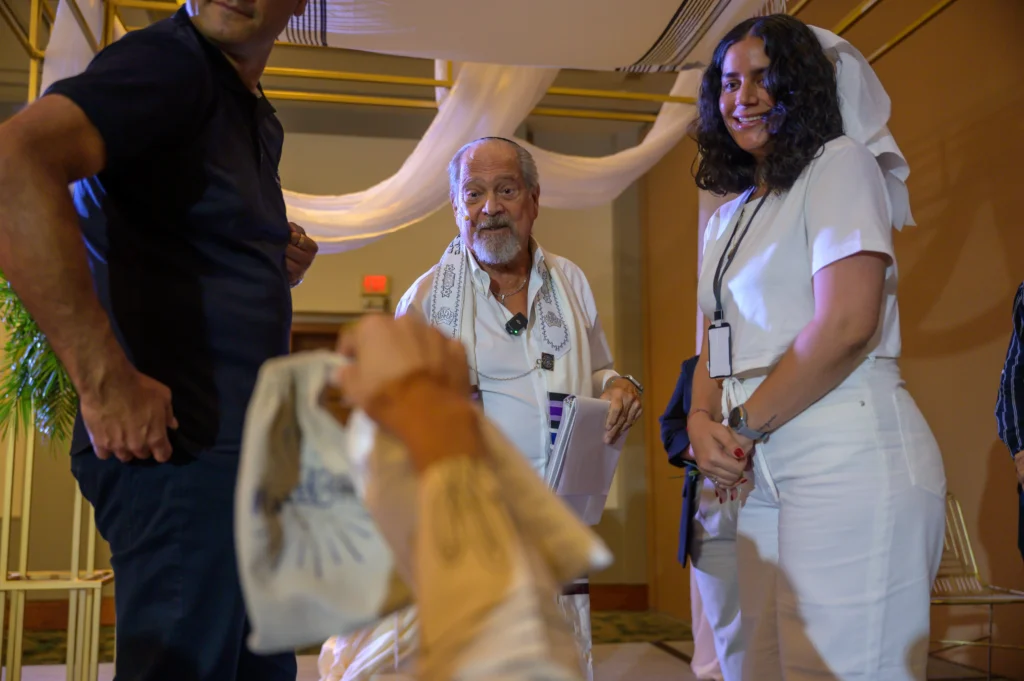
Jewish weddings are rich with symbolic rituals. Each moment carries deep cultural and spiritual meaning.
For example, ceremonies often include:
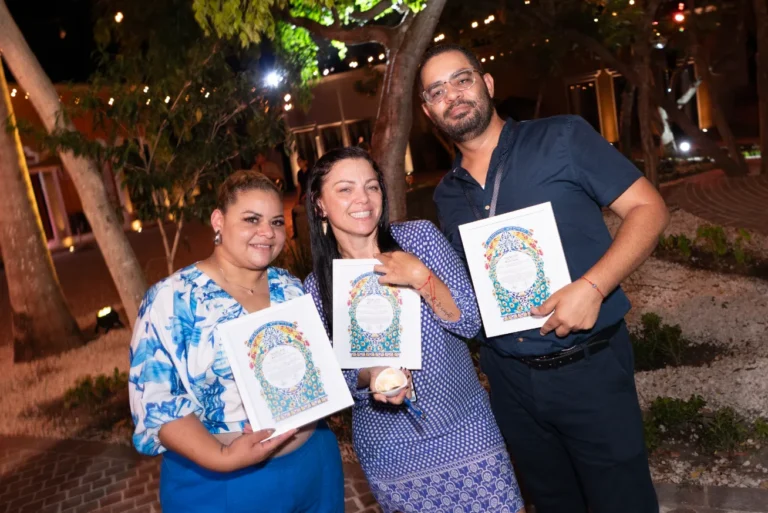
- The signing of the Ketubah
- The circling ritual
- The Sheva Brachot blessings
- The breaking of the glass
Because these moments happen quickly, photographers must anticipate them. Awareness and timing are essential. Missing one of these rituals means missing a key part of the story. For this reason, cultural knowledge becomes just as important as technical skill. It allows photographers to document the ceremony with authenticity and respect.
Preparation and Vendor Coordination
Preparation is the foundation of a successful wedding. During the certification, a strong emphasis was placed on planning and coordination. Every vendor must understand the sequence of rituals and their role within the ceremony.
For photographers, preparation means:
- Understanding the ceremony timeline
- Preparing the right equipment
- Communicating with planners and officiants
When vendors work together, the entire experience flows more smoothly. As a result, couples can stay present while their memories are documented with precision.
Communicating with the Couple and Their Family
Clear communication with the couple is essential.
Jewish weddings often include family traditions or personal interpretations of rituals. Because of this, photographers should discuss expectations before the wedding day.
These conversations help clarify:
- Which traditions are most meaningful to the couple
- How family members participate in the ceremony
- Any cultural details that should be prioritized visually
This proactive approach builds trust. It also ensures the final images reflect the couple’s heritage and personal story.
Flexibility During the Celebration
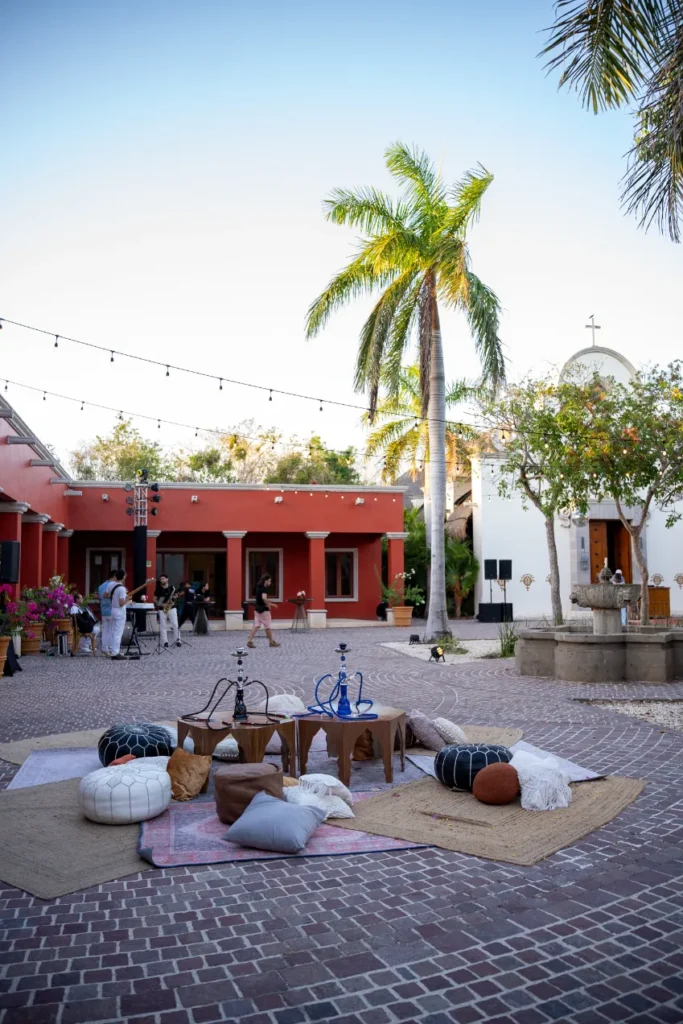
Jewish weddings are dynamic and full of energy. Many celebrations include spontaneous moments such as the Hora dance, emotional blessings, and unexpected interactions between family members. Because of this, flexibility is essential.
A photographer must constantly adapt to shifting moments and changing timelines. Being prepared allows these spontaneous events to be captured naturally. Ultimately, adaptability helps preserve the true spirit of the celebration.


Attention to Cultural Details
Every detail in a Jewish wedding carries symbolic meaning.
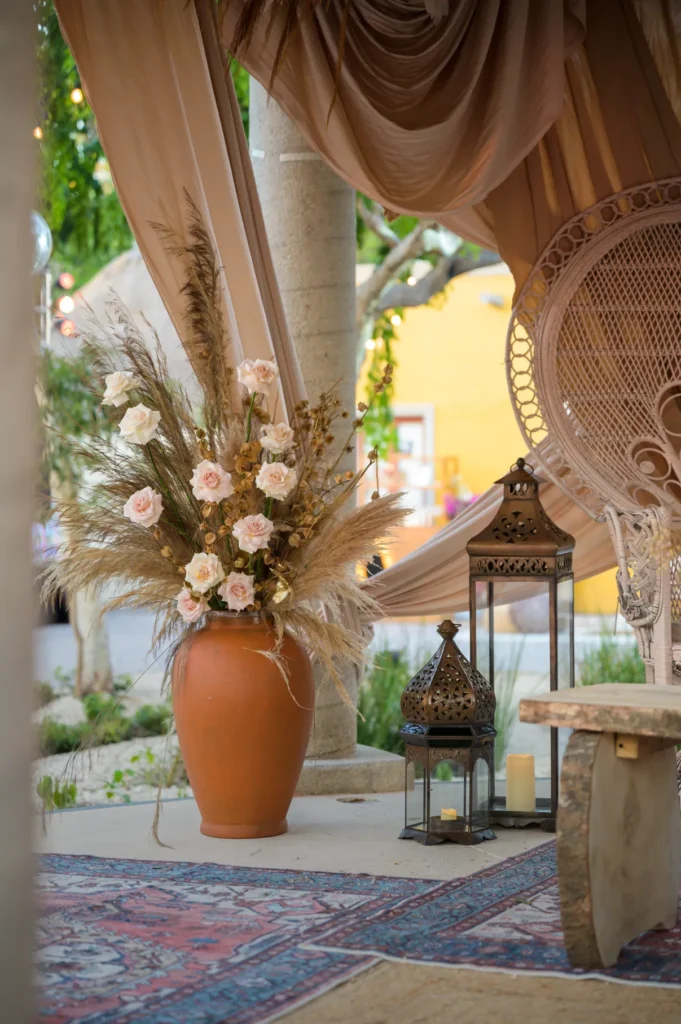
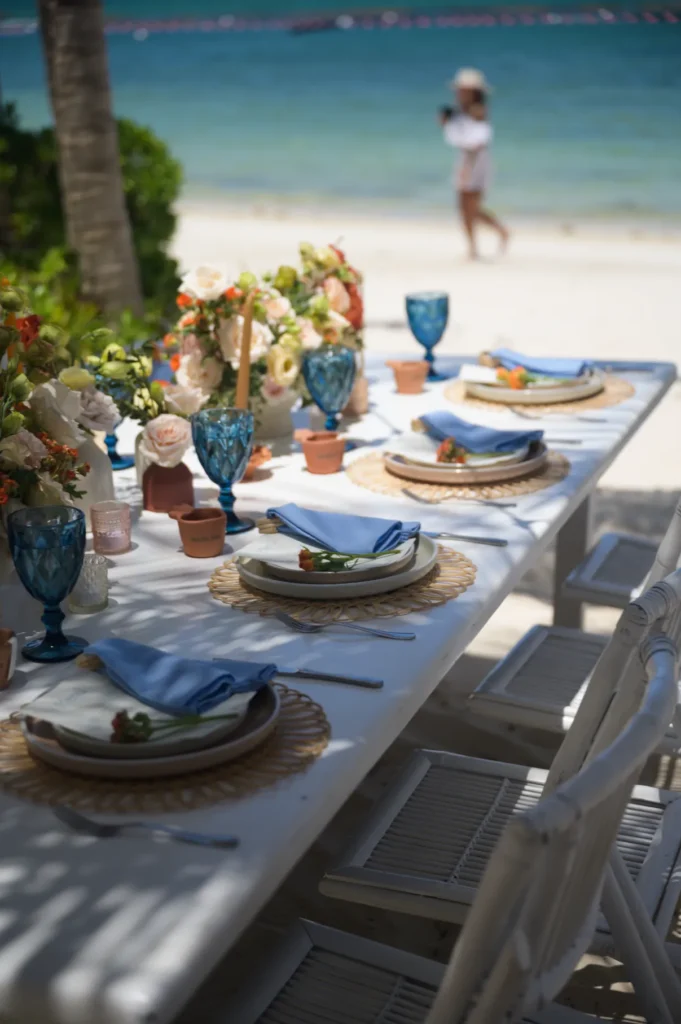
From the chuppah to ceremonial objects, these elements represent tradition and faith. Therefore, photographers must approach them with care and awareness.
This includes:
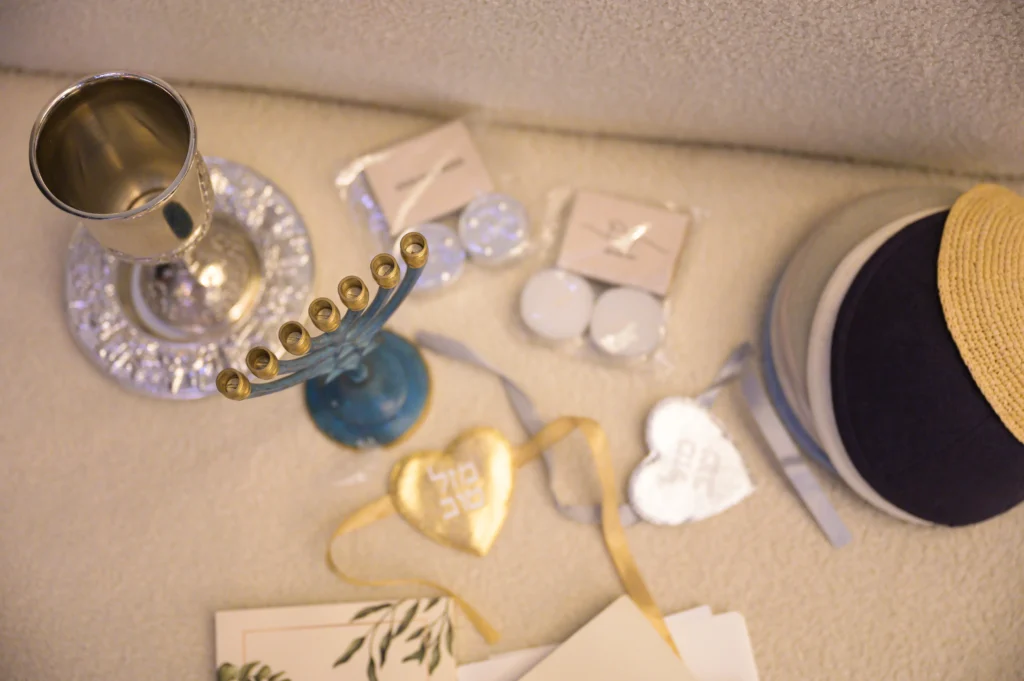
- Photographing ceremonial objects respectfully
- Capturing details that reflect the couple’s heritage
- Preserving the atmosphere of the ritual space
Attention to detail helps protect the authenticity of the event while elevating the visual narrative.
Collaboration with Wedding Planners and Vendors
Jewish weddings require strong collaboration between vendors. Wedding planners play a particularly important role. They coordinate timelines, guide traditions, and ensure every element aligns with cultural expectations.
When photographers collaborate closely with planners, officiants, and musicians, the wedding unfolds more naturally. This teamwork creates a cohesive and respectful environment for the couple and their guests.
Respecting Religious Observances
Some Jewish weddings coincide with religious observances such as Shabbat or specific holidays. These traditions can influence scheduling, food service, and certain activities during the celebration. Because of this, vendors must remain sensitive to religious practices. Understanding these nuances allows photographers and planners to adapt their services while honoring the couple’s faith and traditions.
The Value of Community and Professional Learning
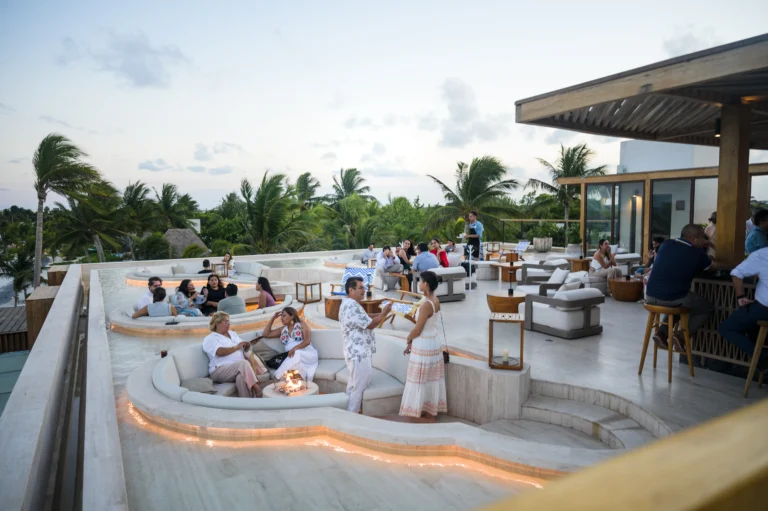
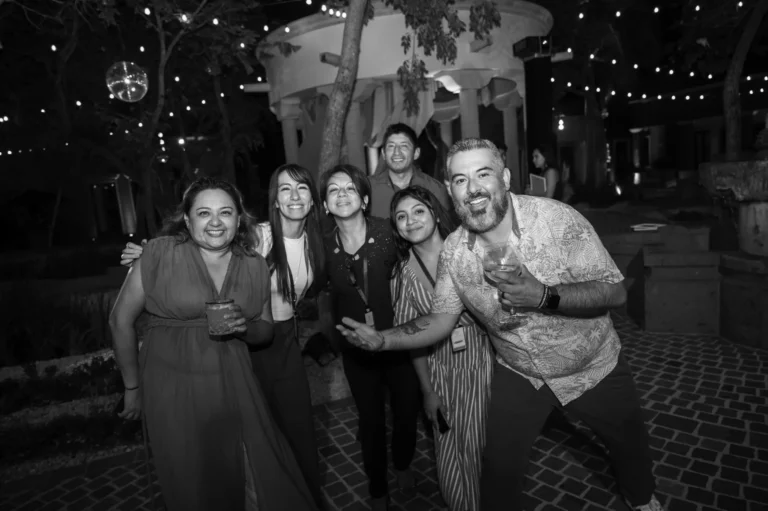
One of the most meaningful aspects of the Mazeltov certification was the sense of community. The program connected professionals who share a commitment to cultural respect and excellence in Jewish weddings. Through Ary Ituralde’s leadership, participants exchanged real-world experiences and practical knowledge. These conversations strengthen the global network of professionals who support Jewish destination weddings.

Elevating Jewish Destination Wedding Photography
The Jewish Wedding Certification in Mayakoba has deeply influenced my approach to photographing these celebrations.
With a stronger understanding of Jewish traditions and vendor collaboration, I can document weddings with greater intention and cultural sensitivity. For couples and planners designing Jewish destination weddings in Riviera Maya, working with a photographer who understands these traditions can make a meaningful difference.
At Poga Studios, we welcome conversations with couples and wedding planners who are creating destination weddings in Mexico.